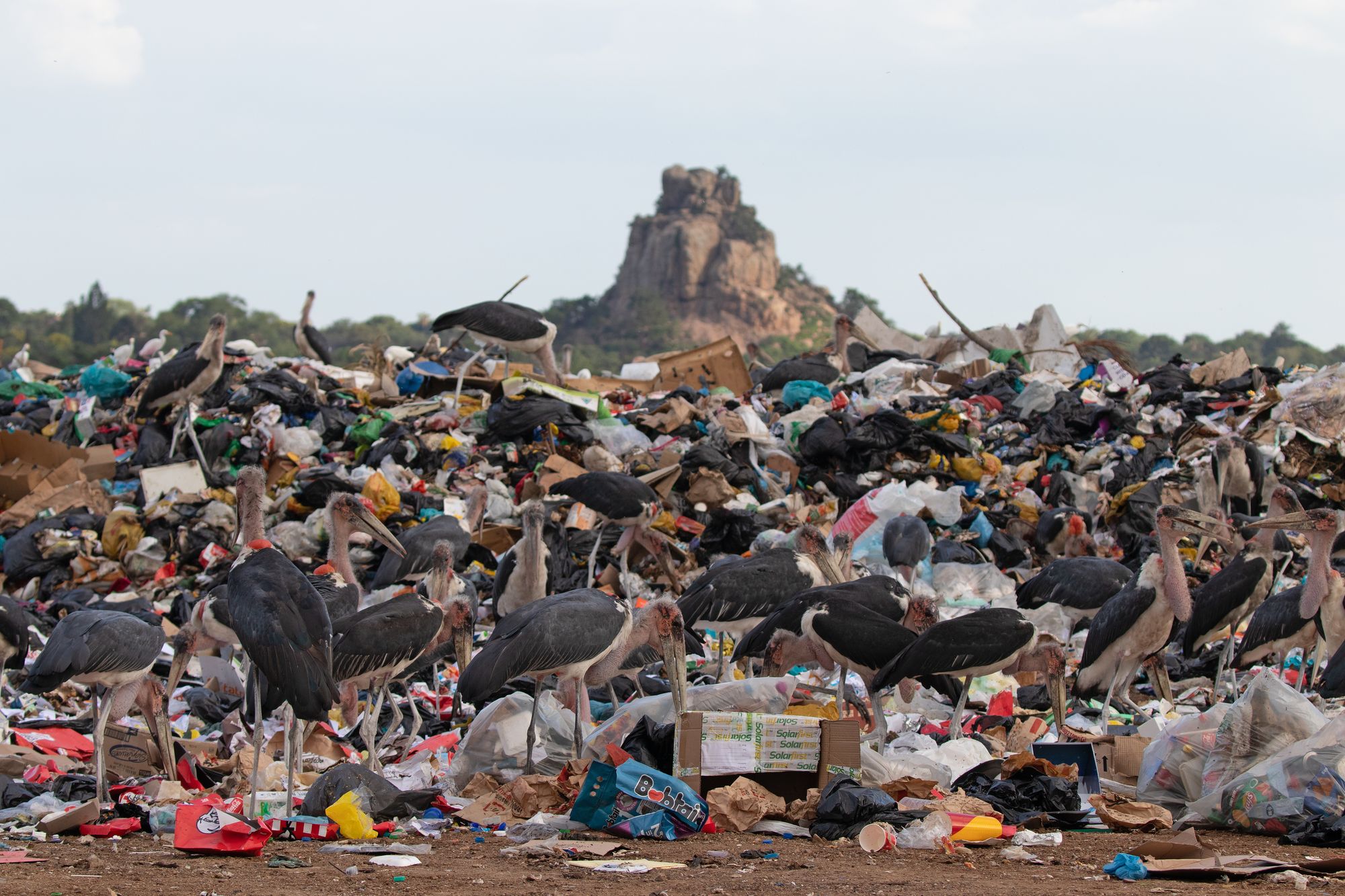
Wildlife have taken advantage of human rubbish for millennia, and in the modern age, this is often in the form of landfill (garbage dump) use. Landfills are traditionally not sought-after study sites for ecologists that enjoy field research in natural habitats, but they have increasingly played a role in the dynamics of some bird populations, including migratory ones. For this reason, researchers globally have begun to turn their eyes toward these sites as interesting laboratories for understanding how the waste of humans impacts birds such as raptors, gulls, storks, and ibises. For example, at least 30% of stork species are known to use landfills globally, and in regions like the Iberian Peninsula and northeastern India, several stork species heavily rely on landfills as important habitat.
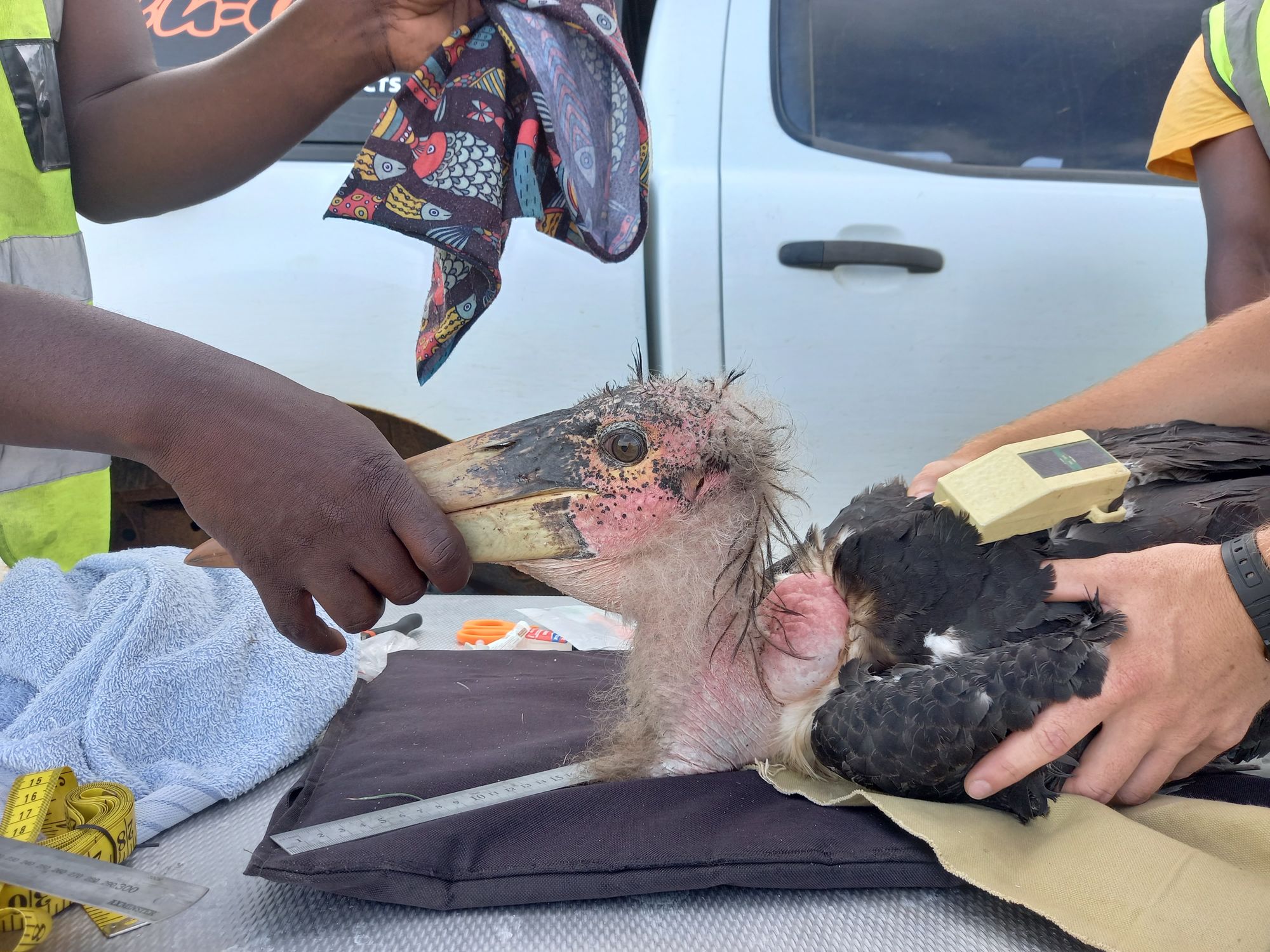
For birds that undertake migration or large-scale regional movements, is there a network of landfills that influences movements in meaningful ways? We have set out to understand such dynamics in several large ‘waterbird’ species, the Marabou Stork, White Stork, and African Sacred Ibis. The Marabou Stork is a massive stork known well for its scavenging alongside African vulture species in savanna ecosystems. But from East to southern Africa large aggregations may be found in many landfills. What role landfills play in their habitat use across seasons is one thing we are investigating with the use of GPS tracking across ten African countries.
One aspect of our research partner Siboniso Magoso’s PhD work is focused on understanding landfill use of the long-distance, migratory White Storks that spend the non-breeding area in South African landfills alongside presumably non-migratory African Sacred Ibises. Siboniso and Dr Gula are using GPS tracking to study the movements of both species from KwaZulu-Natal landfills and compare how movement characteristics and landfill use vary between a migratory and resident species.